
We all have a bunch of apps on our phones and computers these days.
It’s easy to get lost in them, right? This article is all about my apps, how I use them, and how to make them work better for me.
We’ll look at what apps I find useful for getting things done, for being creative, and for staying in touch.
Plus, we’ll touch on how to keep them organized and working right.
Key Takeaways
- Some apps are great for getting work done, others for making things.
- Keeping your apps tidy helps you find what you need faster.
- If an app isn’t working, try looking for simple fixes first.
- Giving feedback can help make apps better for everyone.
- It’s smart to know how your apps keep your personal stuff safe.
Exploring My Apps
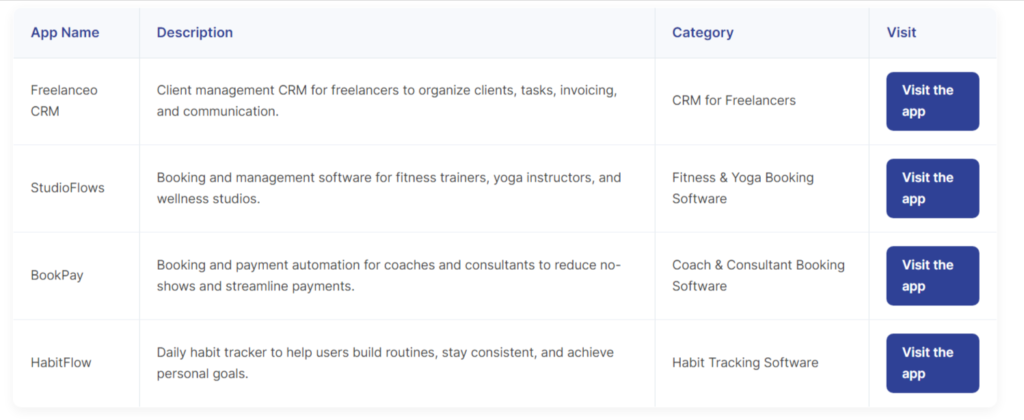
So, you’ve got a bunch of apps on your phone or computer, right?
We all do. It’s like a digital toolbox, and figuring out what’s what is the first step to actually using it well.
This section is all about getting to know your apps, from the ones you use every single day to the ones you might have forgotten about.
Essential Productivity Tools
These are the workhorses. Think about your calendar app, your to-do list manager, or that note-taking app where you jot down ideas.
These tools are designed to help you get things done more efficiently.
They help keep your schedule in order, remind you of important tasks, and store information so you don’t have to remember it all.
Without them, things can get pretty chaotic pretty fast.
Here are some common types:
- Calendars: For scheduling meetings, appointments, and blocking out time.
- Task Managers: To list out what needs doing and track progress.
- Note-Taking Apps: For quick thoughts, meeting minutes, or longer-form writing.
- Cloud Storage: To keep files accessible from anywhere.
Sometimes, the simplest apps are the most powerful. Don’t overlook the basic tools that help you organize your day.
Creative Suite Applications
This is where you get to make stuff. Whether you’re editing photos, putting together a video, or even just doodling, these apps are your creative outlet.
They can range from professional-grade software to simple, fun tools you can use on your phone.
The key is finding the ones that fit your skill level and what you want to create.
Communication Hubs
These are the apps that connect you with other people. Email clients, messaging apps, and video call software
They all fall into this category.
They’re how we stay in touch with friends, family, and colleagues.
It’s important to know which ones you use most often and how to manage notifications so you don’t get overwhelmed.
Managing My Apps

Keeping your apps in order can feel like a constant battle, right?
It’s not just about having them on your phone or computer; it’s about making them work for you.
A well-managed app collection saves time and reduces frustration.
Organizing Your Digital Workspace
Think of your apps like tools in a workshop. You wouldn’t just toss them all in a pile.
The same goes for your digital life.
Grouping similar apps makes finding what you need much quicker. I like to create folders for different tasks, like ‘Work,’ ‘Social,’ ‘Utilities,’ and ‘Entertainment.’
It’s a simple step, but it makes a huge difference.
Here’s a quick way I sort things:
- Productivity: Word processors, spreadsheets, note-taking apps.
- Communication: Email, messaging, video calls.
- Creative: Photo editors, drawing apps, music makers.
- Utilities: File managers, system tools, backup apps.
Streamlining App Updates
Updates are important, but they can also be a pain.
They often pop up at the worst times. I try to set my apps to update automatically when I’m on Wi-Fi and not actively using my device.
This way, I don’t get interrupted, and my apps are usually up-to-date without me having to think about it. Some apps, especially those that let you manage other applications, can be really helpful here.
For instance, some tools offer an easy uninstaller with a single click for apps and support installing various file formats like APK, APKS, APKM, and XAPK, and manage app installations.
Customizing User Experiences
This is where you really make your apps feel like your own.
Many apps let you change settings, notifications, and even the look and feel.
Don’t just stick with the defaults! Take a few minutes to explore the settings menu. You might find options to make the app easier to use or to stop annoying notifications.
For example, I always turn off promotional emails and adjust notification sounds so I know what’s important without looking at my screen.
Sometimes, the simplest settings changes can have the biggest impact on how you interact with your apps daily. It’s worth the small effort to tailor them to your habits and preferences.
Troubleshooting My Apps
Okay, so sometimes our apps just don’t want to play nice.
It happens to everyone, right?
You’re trying to get something done, and suddenly, bam! An error pops up, or the whole thing just freezes. It can be super frustrating when you’re on a deadline or just trying to relax.
Resolving JavaScript Errors
One common hiccup is when an app tells you it needs JavaScript.
This usually means a core part of the app’s code isn’t running properly.
It’s like trying to build a house without the right tools. You might see messages like “You need to enable JavaScript to run this app” or similar.
Often, just making sure JavaScript is enabled in your browser settings can fix it.
Sometimes, though, it’s a bug within the app itself, and there’s not much you can do but wait for the developers to patch it up.
For web-based apps, clearing your browser’s cache and cookies can also sometimes clear up these JavaScript issues.
Addressing Technical Difficulties
When things go wrong, it’s easy to feel lost. Is it your internet? Is it the app?
Is it your computer? Figuring out the root cause is the first step. Here are a few common things to check:
- Restart the app: The old faithful. Close it completely and open it again.
- Restart your device: Sometimes the whole system needs a quick reboot.
- Check your internet connection: Make sure you’re online, and your connection is stable.
- Look for updates: Developers often fix bugs in newer versions.
If the problem persists, it might be a larger issue, like server problems affecting the app’s platform.
It’s worth checking if others are reporting similar issues online.
Seeking Clear Instructions
When you do need help, finding good instructions can be a challenge.
Some guides are full of jargon, while others are just plain wrong.
It’s important to find instructions that are easy to follow and actually match what you’re seeing on your screen.
If you’re looking at a tutorial and it doesn’t look anything like your app, it’s probably not going to help. Sometimes, a simple step-by-step list is best, maybe with a few screenshots if possible.
If you’re stuck, don’t be afraid to look for official support pages or community forums where other users might have already solved the same problem.
Enhancing My Apps
Making your apps work better is an ongoing thing, right?
It’s not just about getting them installed and running.
We’re talking about tweaking them so they actually fit how you use them. The goal is to make your digital tools feel less like generic software and more like personal assistants.
Leveraging Visual Aids
Sometimes, words just don’t cut it.
When you’re trying to figure out a new feature or fix a problem, seeing is believing. Good apps often include helpful screenshots or short video clips.
These visual guides can make a huge difference, especially for complex tasks.
Think about trying to set up a new email account or adjust privacy settings; a quick visual can save you a lot of head-scratching.
It’s about making information easier to digest, which is why I always look for apps that offer this kind of support.
For instance, understanding how to manage your app permissions can be much clearer with a visual walkthrough,
like those found in guides for mobile application features.
Providing Constructive Feedback
Don’t underestimate the power of your opinion.
Developers often include ways for you to send feedback, and it’s worth using them.
It’s not just about complaining when something’s broken; it’s also about suggesting improvements. Maybe a button is in an awkward spot, or a process has too many steps.
Letting the app creators know can lead to real changes.
It’s a two-way street: you get a better app, and they get insights they might not have otherwise.
Here’s a quick way to think about giving feedback:
- Be specific: Instead of saying “it’s bad,” explain what is bad and why.
- Suggest solutions: If possible, offer ideas for improvement.
- Be polite: Even if you’re frustrated, a polite tone is more likely to be heard.
- Mention the version: Knowing the app version helps developers pinpoint issues.
Simplifying User Interfaces
A hard app to use is just frustrating.
We want interfaces that are clean and intuitive.
This means buttons are where you expect them to be, menus are easy to understand, and you don’t have to hunt for common functions.
Sometimes, apps get cluttered over time with too many options.
When that happens, it’s good to see if there are settings to simplify the view or hide less-used features.
A clean interface means you can get things done faster and with less mental effort.
It’s all about making the experience smooth, not just the technology behind it.
Sometimes, the simplest designs are the most effective. When an app feels like it’s fighting you, it’s usually a sign that the user interface could use some work.
Think about how much time you spend interacting with your apps; making that time pleasant and productive is key.
It’s also worth noting that sometimes, apps require certain settings to be enabled, like JavaScript, to function correctly.
If an app isn’t working, checking these basic requirements is a good first step before diving into more complex troubleshooting.
Securing My Apps

Keeping your apps safe is a big deal, right?
It’s not just about passwords anymore. We’re talking about protecting all sorts of personal stuff that these apps hold.
Think of your apps as digital doors to your information. You wouldn’t leave your front door wide open, so why do that with your apps?
Protecting Personal Information
This is the big one. Your apps might store your name, address, payment details, and even private messages.
It’s important to know what information each app collects and how it’s used. Most apps have a privacy policy, which is usually a long document nobody reads.
But it’s worth skimming for the key points about data sharing.
- Review app permissions: Does that photo editor really need access to your contacts? Probably not. Go into your phone’s settings and turn off permissions that don’t make sense for the app’s function.
- Use strong, unique passwords: Don’t use the same password for everything. A password manager can help you keep track of all those different codes.
- Be careful with public Wi-Fi: Avoid logging into sensitive apps or making purchases when you’re on a free Wi-Fi network at a coffee shop or airport. It’s just too easy for someone to snoop.
Managing Account Access
Who has access to your accounts?
It’s not just you anymore, sometimes.
Think about shared devices or if you’ve ever let a friend or family member log into something for you.
It’s good practice to regularly check who has access and revoke it if it’s no longer needed.
- Enable Two-Factor Authentication (2FA): This adds an extra layer of security. Even if someone gets your password, they still need your phone or a code from an authenticator app to get in.
- Log out of shared devices: If you ever log into an app on someone else’s computer or tablet, make sure you log out completely when you’re done.
- Check login history: Some apps let you see where and when your account was accessed. If you see something suspicious, change your password right away.
Understanding Privacy Statements
Okay, I know, privacy statements are usually a snooze-fest.
But they’re important. They tell you what the app company does with your data.
Do they sell it?
Do they share it with advertisers?
Knowing this helps you make informed choices about which apps to trust.
It’s easy to just click ‘Agree’ without reading, but that’s how you can end up sharing more than you intended.
Take a few minutes to look for sections on data usage and third-party sharing. If it’s unclear or makes you uncomfortable, maybe that app isn’t the right fit for you.
It might seem like a lot of work, but a little bit of attention to security can save you a lot of headaches down the road.
It’s all about being aware and taking simple steps to keep your digital life safe.
Wrapping Up My App Journey
So, that’s a look at some of the apps I’ve been using lately.
It’s kind of funny how much we rely on these little programs to get through the day, right?
Some are super helpful, others… well, they’re just there.
I guess the main takeaway is that finding the right tools for what you need can make a big difference.
It’s not always about having the most apps, but the ones that actually work for you.
Maybe you’ve got some favorites I should check out?
Let me know. For now, I’m going to keep tinkering and see what else is out there.
Frequently Asked Questions
Why does an app tell me to enable JavaScript?
Some apps need JavaScript to work correctly.
It’s like a special ingredient that makes certain features of a website or app come alive.
If you see this message, you’ll need to turn on JavaScript in your web browser’s settings for that app to function.
How can I give feedback to app makers?
Many apps have a way for you to share your thoughts.
Look for a ‘Send Feedback’ or ‘Contact Us’ option.
They often ask what went wrong or what could be better, like if the instructions were clear or if pictures would have helped.
Your feedback helps them make the app better for everyone.
What should I do if an app’s instructions are confusing?
If the steps for using an app are hard to understand, try to find a section for ‘Clear Instructions’ or ‘Easy to Follow.’
Sometimes, apps might use words that are too difficult or not have enough pictures.
If you can’t figure it out, look for a ‘Help’ or ‘Support’ area, or try searching online for guides.
How do I keep my apps and personal information safe?
To keep your stuff safe, always use strong, unique passwords for your apps.
Be careful about what information you share, and read the privacy rules to understand how your data is used.
Only download apps from trusted sources and keep your apps updated, as updates often include security fixes.
What’s the best way to organize my apps?
Think about how you use your apps.
You can group similar apps, like putting all your games in one folder and your schoolwork apps in another. Some people like to put their most-used apps on the main screen for quick access.
Experiment to find what makes sense for you!
My app isn’t working right. What’s the first step?
When an app acts up, the first thing to try is closing it completely and then reopening it.
If that doesn’t work, check if there’s an update available for the app or your device.
Sometimes, simply restarting your phone or computer can fix unexpected problems.